 VapeWholesaleHub
Lost Mary MO5000 Bundle Pricing That Moves Older Stock — Replenishment Cycles
Treat lost mary mo5000 as a repeat purchase category rather than a one off buy. That single change in framing alters almost every decision downstream, from carton size to how many strengths you list.
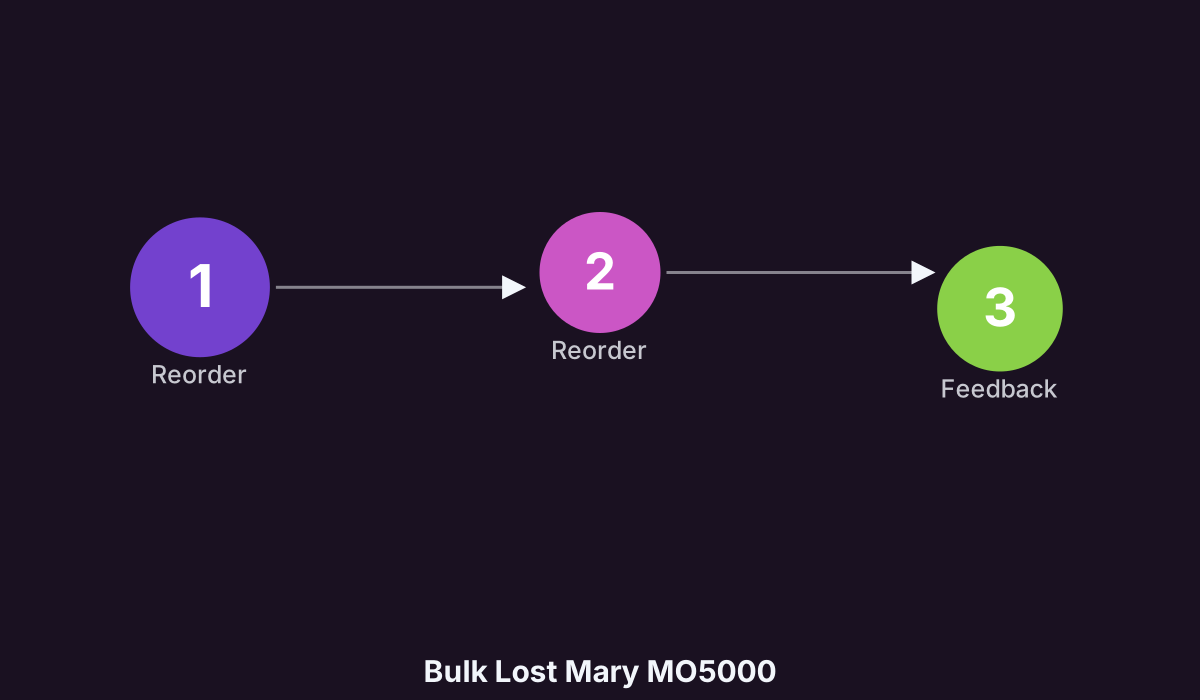
Turning Lost Mary MO5000 Into Repeats
Use your lost mary mo5000 staff training time on the two questions customers actually ask. Anything more detailed gets forgotten by the second shift.
Freight, Customs and Timing
Plan the lost mary mo5000 customs paperwork at the same time as the order, not when the goods are on the water. A missing document costs more in demurrage than the entire freight saving from a cheap forwarder.

Market Signals
Expect lost mary mo5000 packaging requirements to keep tightening. Designs that leave room for additional labelling age better than tight layouts that need a full reprint to comply.
Traceability is moving from a nice-to-have to a requirement in several lost mary mo5000 markets. Building the habit now is cheaper than retrofitting record keeping under pressure later.
How Lost Mary MO5000 Fits the Assortment
Decide early whether lost mary mo5000 is a traffic driver or a margin line in your store. The answer changes how you price it, where you place it and how hard you push it at the counter.
Category data for lost mary mo5000 is noisier than it looks. Promotions, weather and local competition all move weekly numbers, so read three months at a time rather than reacting to a single week.
Pricing and Margin
Hold a small lost mary mo5000 buffer in your pricing model for currency movement. A few percent on a container is a real number, and it is easier to plan for than to absorb.
Indicative reference points for planning purposes: entry tier from USD 1.84 per unit at 500 units, mid tier at USD 1.84, and volume tier at USD 0.94 for full container quantities. These figures move with specification, packaging and freight, so treat them as a shape rather than a quote.
Practical Checklist
- Agree the tolerance band in writing before approving artwork.
- Start with a mixed carton and let your own sell-through decide.
- Keep sealed retained samples from every production batch.
- Ask how the factory measures puff count, then compare like with like.
- Check carton dimensions against your freight quote before confirming.
- Model landed cost, not ex-works price, when comparing quotes.
Frequently Asked Questions
What if a batch does not match the sample?
Keep the retained samples from the approval stage. If a delivered batch measurably differs, we compare against the retained set and resolve it against the production record. This is why we insist on sealed retained units from every run.
Can I visit the production facility?
Yes, and we encourage it for larger programmes. Visits are most useful when you already have a draft specification, because you can then check the specific processes behind the numbers you care about.
Is there a warranty on lost mary mo5000?
Manufacturing defects are covered against the retained sample standard. Normal wear, misuse and damage after opening are not. We publish the threshold in the order terms so both sides know exactly what the claim process looks like.
Is there support for in-store material?
Yes. Shelf talkers, counter cards and simple planogram suggestions are available for lost mary mo5000 ranges that reach a sensible volume. Most retailers find the plain strength and flavour cards do the most work.
Next Step
If you take one thing from this page, take the retained sample habit. It costs a few units per batch and it is the difference between a disagreement and a decision.
Related Reading
- How to Read a Lost Mary MO5000 Certificate of Analysis — Three Price Tiers
- Supplier Audit Checklist for Lost Mary MO5000 Orders — the Buying Desk
- Lost Mary MO5000 Damage Claims and How to Avoid Them — Real Numbers Only
- Warehouse Layout Tips for Lost Mary MO5000 Distributors — a Printable Checklist
- Lost Mary MO5000 Staff Training Notes for Store Teams — Busy Buyers
- Lost Mary MO5000 Damage Claims and How to Avoid Them — Mixed Cabinets